Brighton Implant Clinic - An award winning dental health clinic


Root Canal Treatments (also known as endodontics) is needed when the blood or nerve supply of the tooth (known as the pulp) is infected through tooth decay or injury. You may not feel any pain in the early stages of the infection. In some cases your tooth could darken in color which may mean that the nerve of the tooth has died (or is dying). This would need root canal treatment.
DO ROOT CANAL TREATMENTS HURT?
No. Usually a local anesthetic is used and it should feel no different to having an ordinary filling done. However the treatment can be carried out under intravenous sedation if you are anxious about dental treatment.


WHY ARE ROOT CANAL TREATMENTS NEEDED?
If the pulp becomes infected, the infection may spread through the root canal system of the tooth. This may eventually lead to an abscess. An abscess is an inflamed area in which pus collects and can cause swelling of the tissues around the tooth. The symptoms of an abscess can range from a dull ache to severe pain and the tooth may be tender when you bite. If root canal treatment (RCT) is not carried out, the infection will spread and the tooth may need to be extracted.
WHAT DOES IT INVOLVE?
The aim of the treatment is to remove all infection from the root canal. The root is then cleaned and filled to prevent any further infection.
Root Canal Treatment is a skilled and time-consuming procedure. Most courses of treatment will involve two or more visits to your dentist.
At the first appointment, the infected pulp is removed. Any abscesses, which may be present, can also be drained at this time. The root canal is then cleaned and shaped ready for the filling. A temporary filling is put in and the tooth is left to settle.The tooth is checked at a later visit and when all the infection has cleared, the tooth is permanently filled.

WHAT WILL MY TOOTH LOOK LIKE AFTER TREATMENT?
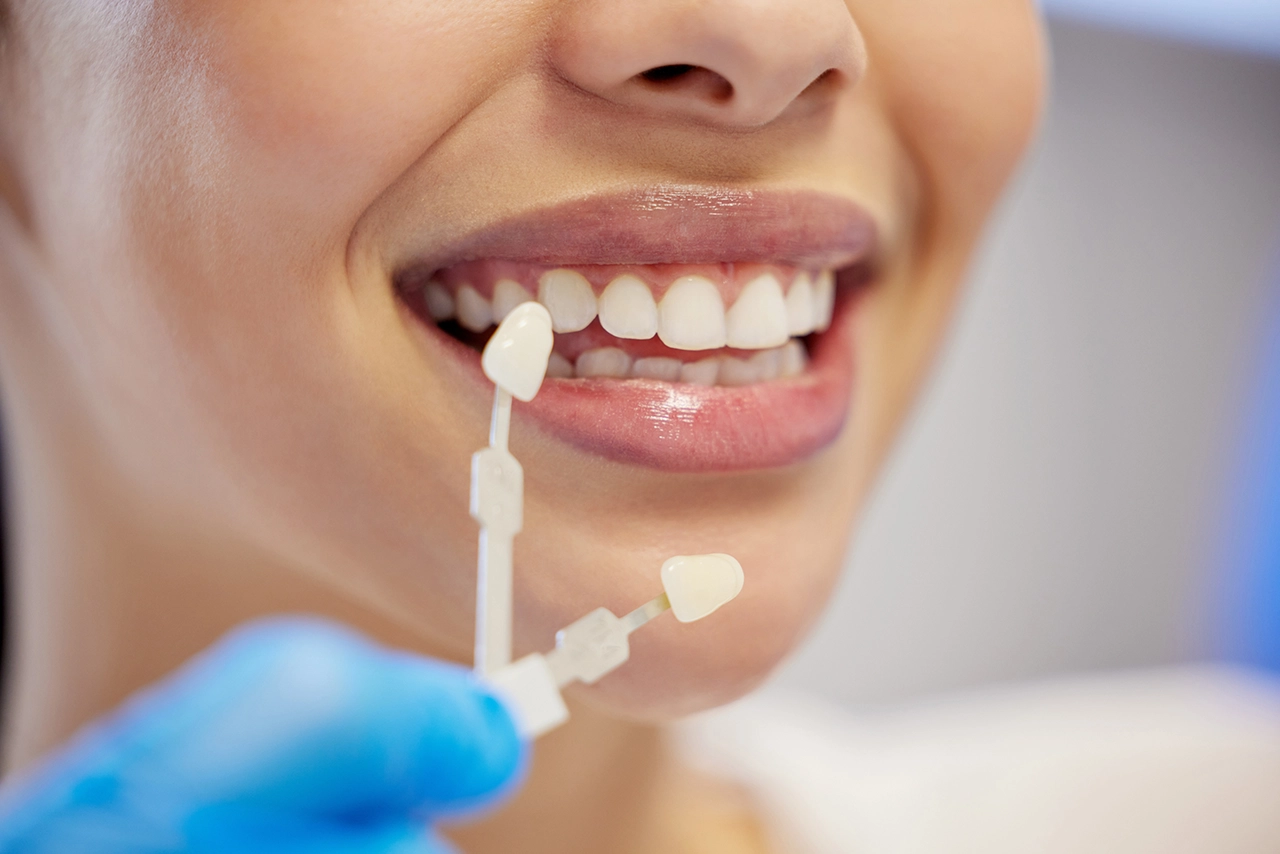
In the past, a root filled tooth would often darken after treatment. However, with modern dentistry techniques this does not usually happen. If there is any discoloration, there are several treatments available to restore the natural appearance.
WHAT IF IT HAPPENS AGAIN?
Root Canal Treatment is usually very successful. However, if the infection comes back the treatment can be repeated. There is always a risk that the treatment may not be successful. The success of treatment depends on the complexity of the treatment, the number of roots, the number of canals to be treated. Even though general dentists carry out root canal treatments, they are a very precise and complex part of dental treatment.
WHAT IF I DON’T HAVE THE TREATMENT?
The alternative is to have the tooth removed. Once the pulp is destroyed, it can’t heal and it is not recommended to leave the tooth in the mouth.Although some people would prefer an extraction, it is usually best to keep as many natural teeth as possible.
WILL THE TOOTH BE SAFE AFTERTREATMENT?
Yes. However, as a dead tooth is more brittle, it may be necessary to restore the tooth with a crown to provide extra support and strength to the tooth. See previous article on dental crowns

ROOT CANAL TREATMENTS AT BRIGHTON IMPLANT CLINIC
At the Brighton Implant Clinic we have all the equipment necessary for providing high quality and predictable root canal treatments. We use a combination of hand instruments and nickel titanium rotary files. We also use equipment by Sybron endo for determining the accurate length of each root canal.
In addition to this digital radiography is used in every surgery. The final seal of each root canal is carried out by elements oburation units which provide an excellent three dimensional seal of the root canal.
AFTER CARE ADVICEFOLLOWING ROOT CANAL TREATMENT
If you have undergone root canal treatments and need advice for root canal pain click here for further information. Other articles written by Brighton Implant Clinic on this topic What is root canal treatment


At Brighton Implant Clinic, dental implants are simple and comfortable. Patients can choose local anesthesia or sedation for a relaxed experience. Procedures usually take 30 minutes to an hour. For back teeth, a healing period of 8 weeks is needed for integration with the jawbone. Front teeth replacements can often include a temporary tooth fitted on the same day. After healing, a second visit involves taking impressions for a custom-made, natural-looking tooth, typically made from durable, stain-resistant zirconia. Post-treatment care includes regular oral hygiene and annual check-ups to maintain the implant.
BOOK A FREE APPOINTMENT NOW